Dear Empowered Reader,
"Tending is not the same as starting. It is quieter, less glamorous, and more necessary."
Last week, I drove about 45 minutes north to the Metro area of Minnesota with an empty trunk and came home with it full of hostas.
My parents had divided their beds, something gardeners do every few years when a plant has gotten large enough to share itself, and they filled two buckets with layers of hostas. Some were small. Some were the size of a dinner plate. All of them looked, honestly, like they might not survive the afternoon, especially with me being a novice gardener.
The next day, I planted them. I dug each hole wider than it needed to be, loosened the soil underneath so the roots could spread without resistance, watered deeply, and covered them with mulch to hold the moisture through the week. Then, I walked inside and left them alone, even though I wanted to keep tinkering and adjusting. But I didn't.
There was no hovering. No checking. No second-guessing the placement.
This is the part of gardening and of life that nobody puts on the inspirational poster. We celebrate the planting. We celebrate the bloom. But the long, quiet, unglamorous middle weeks of tending, of showing up when nothing seems to be happening, that is where everything is actually decided.
In the last issue, we talked about starting. About the cost of waiting for perfect conditions. About the wildflower seed that blooms not when everything is right, but when enough is right. And I meant every word of it. But here is what I didn't say, what I want to sit with today: starting is just part of the work.
The larger question, the one that behavioral scientists and gardeners and anyone who has ever committed to something that mattered already knows, is this: How do you stay with something long enough for it to matter? |
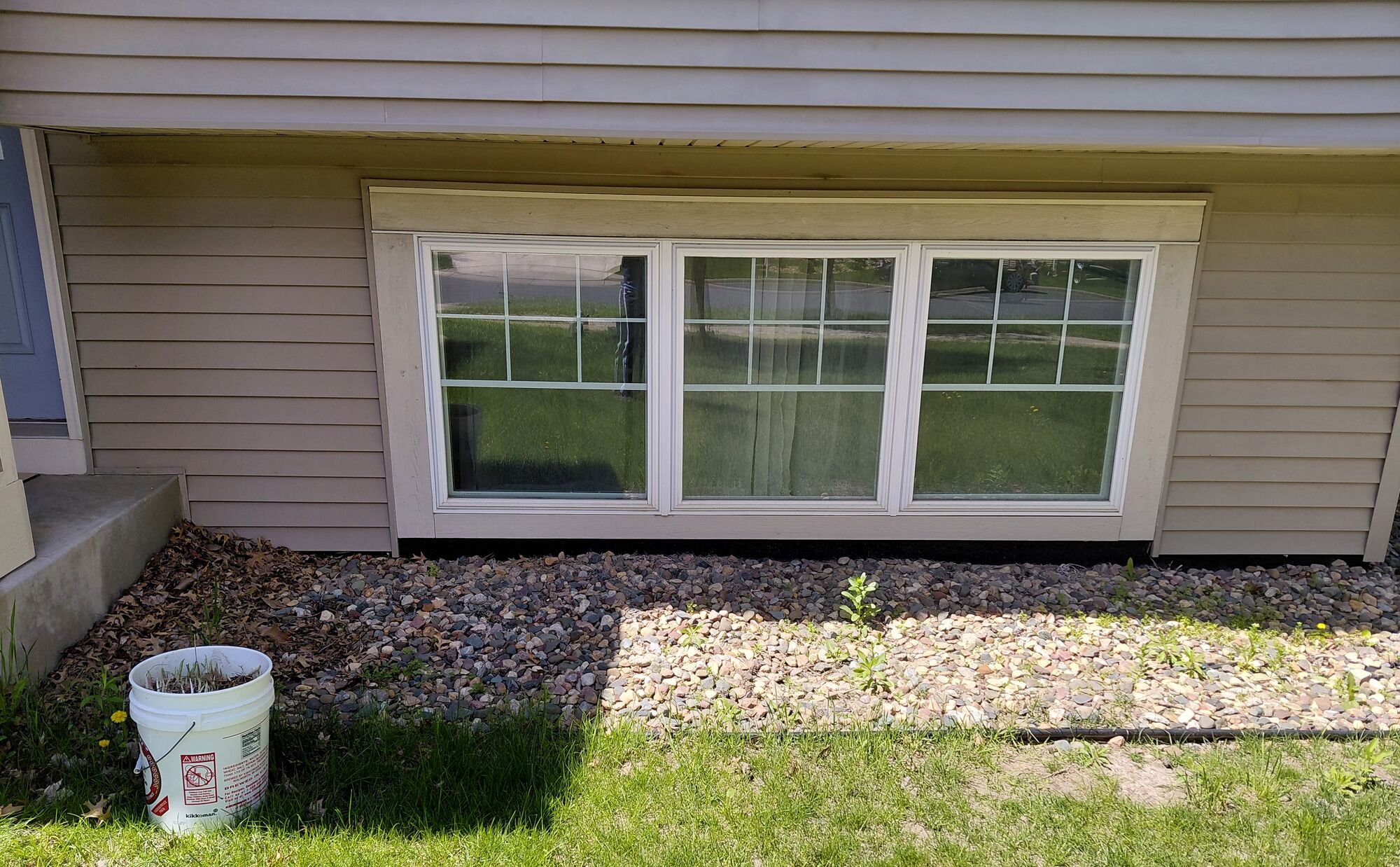
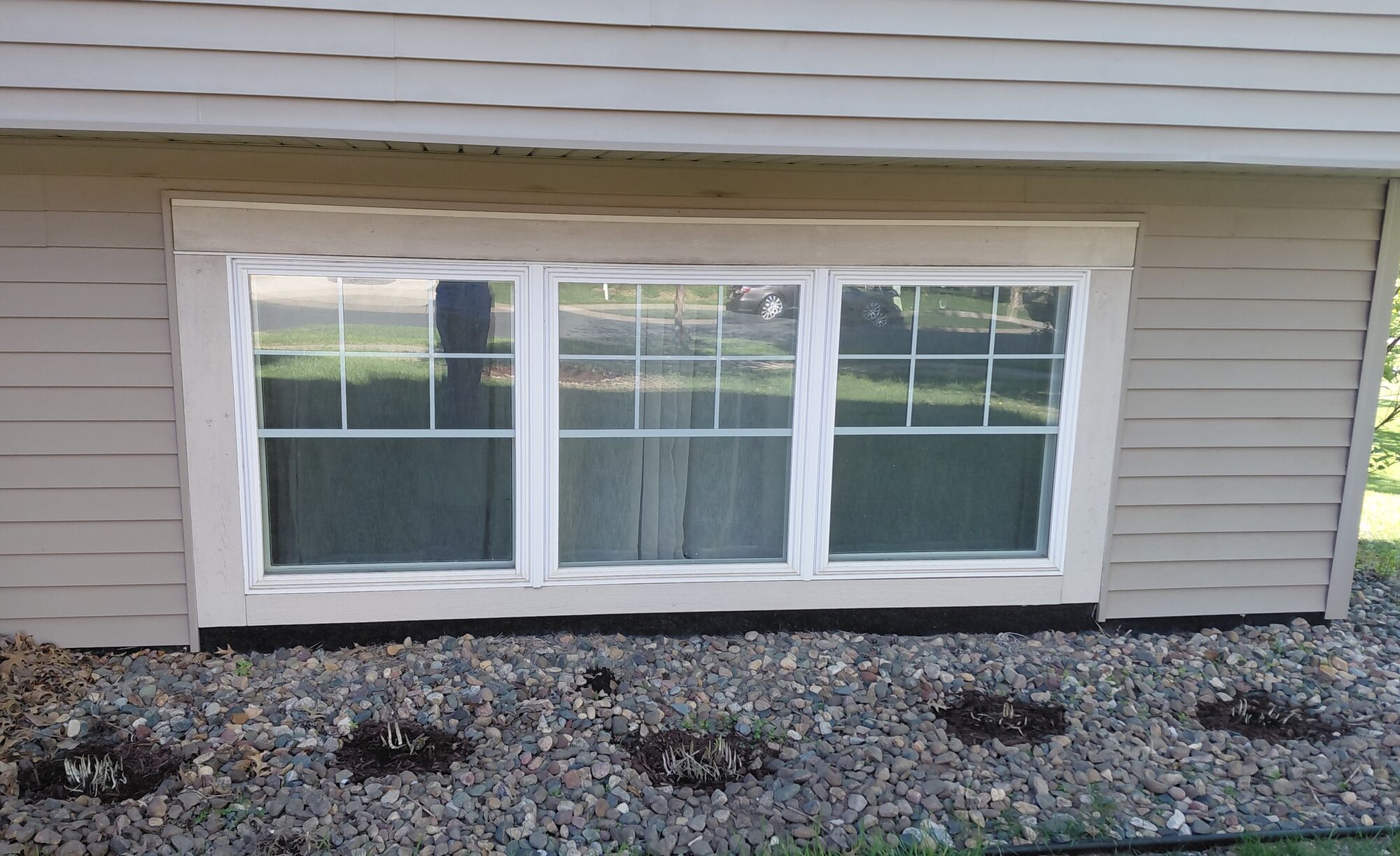
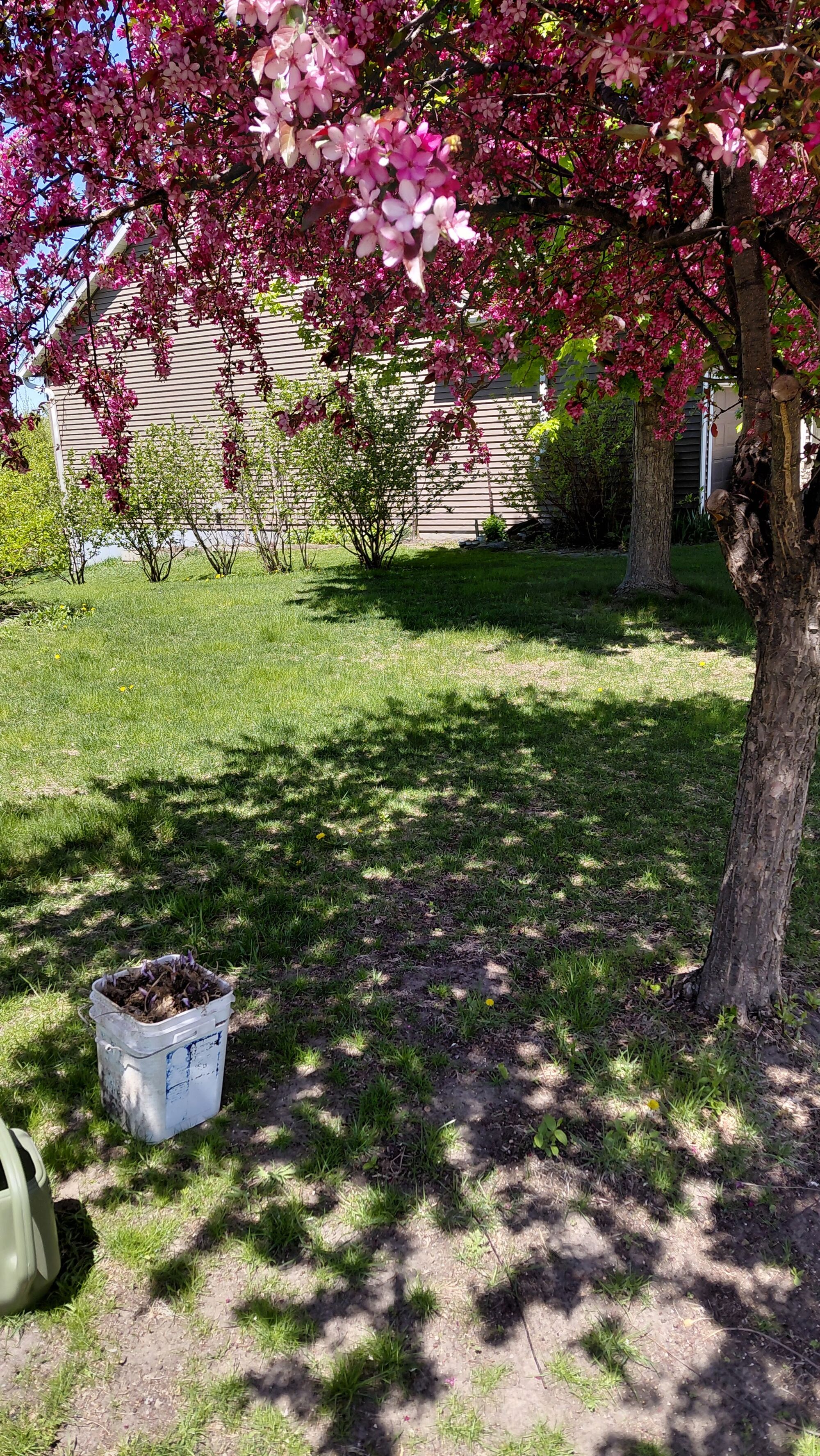
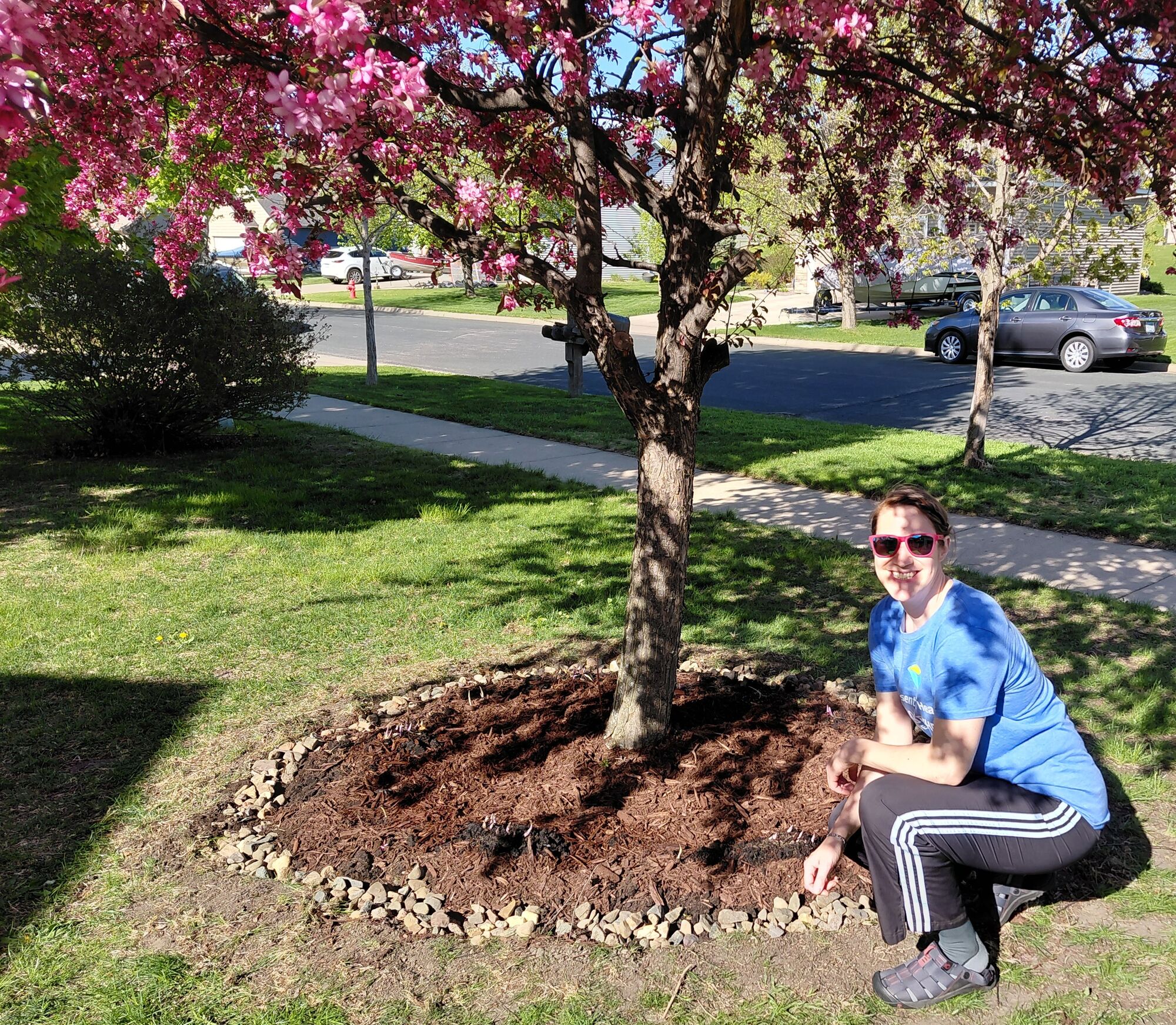
Before and after photos of one of the hosta gardens. |
There is a well-documented pattern in habit research sometimes called the "six-week stall." When people begin something new, a creative practice, a fitness routine, a business, a relationship repair, the initial momentum is real. Intention is high. Novelty provides its own energy. And then, around week four to six, the novelty fades, life reasserts itself, and the effort starts to feel like effort.
Habit researcher Wendy Wood, whose work is gathered in Good Habits, Bad Habits, has spent decades studying why people maintain or abandon new behaviors. Her central finding disrupts the conventional wisdom entirely: sticking with something is not primarily a matter of willpower or motivation. It is a matter of friction and context design.
When the environment makes a behavior easy to repeat, when the tools are visible, the cue is reliable, the reward is immediate, the behavior persists even when motivation dips. When friction is high, when you have to seek out the tools, rearrange your schedule, override competing cues, the behavior stalls, no matter how much you want it.
The implication, Wood says, is significant: "Most people think they fail because of a character flaw. They actually fail because they haven't changed their context." What derails most beginnings is not weakness. It is the accumulation of small frictions: the journal that isn't visible, the practice that requires rearranging three other things first, the goal that lives only in your head and nowhere in your physical environment.
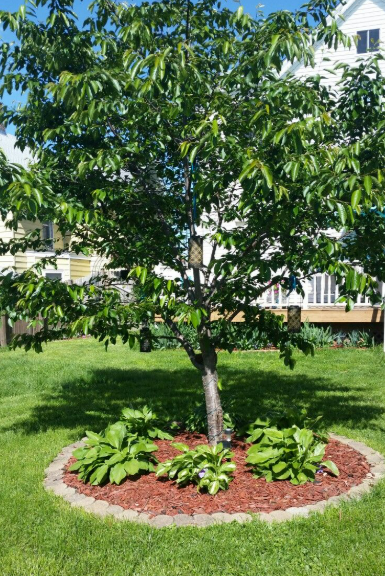
I thought about this as I planted the hostas. I didn't put them in a corner of the yard, which I rarely visit. I put them in my front yard. I can see them from my home office. Not because I planned to fuss over them, but because I knew I needed to see them. The seeing would do the tending. The tending would feel natural. The naturalness would become a habit. This is Wendy Wood's insight translated into soil and footsteps. |
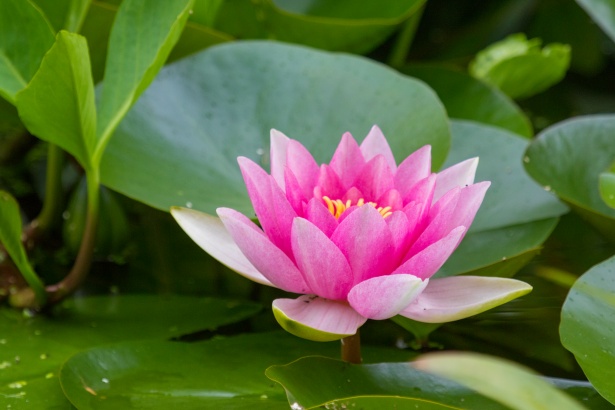
The top photo is from Pinterest and is my inspiration. The bottom photo is my starting point. The bucket contains the sprouts of little hosts that came from my parents' garden. Divided from plants that have been growing in our family for over two decades.
|
There is another layer that research on sustained effort consistently surfaces, and it is one we do not talk about enough in the culture of individual achievement: we need to be seen in the doing. Not celebrated. Not evaluated. Seen.
Accountability research, from Gail Matthews' studies on goal achievement to the broader literature on social commitment devices, shows that sharing our intentions with someone we respect increases follow-through significantly.
But what's more interesting is why. It is not primarily the fear of disappointing them. It is the experience of having our effort witnessed that makes the effort feel real, worth continuing, part of a larger story someone else is holding with us.
"The first year they sleep, the second year they creep, the third year they leap." An old gardener's saying about hostas and about most things worth doing.
|
After 5 hours of yard work. This is the "finished" product, time to keep tending and see what grows. |
I want to offer you a reframe, because I think the phrase "sticking with it" is doing us harm. It implies that the thing we've started wants to leave, that it is trying to escape, and our job is to hold on with sufficient grip. But that is not the experience of sustained practice. The experience, when we have designed our context well and found our witnesses, is less like gripping and more like returning. You return to the work the way you return to a conversation with someone you trust. Not because you are forcing yourself. Because something in you knows this is where your growth lives.
Self-compassion research, particularly Kristin Neff's work, shows that people who extend kindness to themselves when they stumble or miss days are significantly more likely to return to a practice than those who respond to lapses with self-criticism. Harshness does not produce consistency. It produces shame, and shame produces avoidance.
I was told by a neighbor who noticed I was planting the hostas that the hosta that gets transplanted will wilt a little. It always does. That wilting is not failure; it is the plant redirecting its energy downward, investing in root structure, preparing for what comes next. If you panic and overwater, you drown it. If you trust the process and tend steadily, it recovers and, eventually, it thrives.
You are allowed to wilt a little. The roots are working.
AFFIRMATION "I do not need to feel momentum every day to be making progress. I tend with patience, with presence, and with trust that the roots are forming even when I cannot see them. I return, again and again, not because I must, but because I know this is where I grow."
This is not a willpower practice. It is a design practice. Here is how to build the conditions that make returning natural: Reduce the friction. Look at the thing you've started. What does it require of you to show up? Now ask: what one change to your physical environment would make that easier? The journal on the nightstand, not the shelf. The running shoes by the door, not in the closet. The document open on your desktop, not buried in a folder. Friction is not a character flaw. It is a design problem, and it has a design solution.
Name a witness. Who in your life could hold this with you, not as an evaluator, not as a cheerleader, but as someone who knows you are doing the thing? This does not need to be formal. It can be a weekly text to a friend: "I showed up today." It can be a community, a book club, or a coach. What matters is that someone else knows the work is happening. Being seen in the doing changes the doing.
Practice the return, not the streak. Give up the streak. The streak mentality makes one missed day feel like total failure. Instead, practice the return. You will miss days. The practice is: how quickly and kindly can you come back? "I missed Tuesday. I'm here now." That sentence, spoken to yourself with warmth rather than judgment, is the whole discipline. Research consistently shows that self-compassionate return outperforms guilt-driven consistency over the long arc.
Mark the slow growth. The hosta won't look different from one week to the next. Neither will most meaningful practices. Build in a rhythm of reflection, monthly, not daily, where you look back and ask: what is different now than it was 30 days ago? You will be surprised. Growth that is invisible at the daily scale becomes unmistakable at the monthly scale. Give yourself the longer lens.
Let it be ordinary. The most important shift in sustained practice is releasing the expectation that every session should feel meaningful or productive. Some days you write one sentence. Some days, you plant one plant. Some days, you simply show up and sit with the thing without producing anything visible. That is still tending. And tending, done consistently over time, is what makes the third-year leap possible.
REFLECTION QUESTIONS For your journal, your walk, your quiet morning Think of something you've started in the last six months. What does the friction look like right now, the small resistances that make it easier not to show up than to show up? What single change to your environment or routine could reduce that friction by even 20%?
Who is witnessing your current work? Not judging it, not evaluating it, simply holding knowledge that you are doing it? If no one is, what would it feel like to let one trusted person in?
Where in your life have you practiced the return, come back to something after stepping away, without letting the gap become a story about failure? What did that return teach you about the nature of commitment?
The hostas are in the ground now. They look, still, like they might not survive. One of them is doing that classic post-transplant wilt, leaves soft and low, pretending to be defeated. I know better. I've been here before. I'm tending, not rescuing. There is a difference.
I'll show you what they look like in September.
Take care, dear Reader, Julie
|
|
|
|