Dear Empowered Reader,
I just got back from a trip to Washington State. Somewhere between the flights, the rental car, and timing our transit connections just right, it hit me: this whole trip was a lesson in management, management in expectations, and management of change.
The heart of the trip was the North Cascades Loop, miles of winding mountain road, alpine passes, and small towns tucked between peaks. But the part that stuck with me most wasn't anything you could drive to. It was Stehekin.
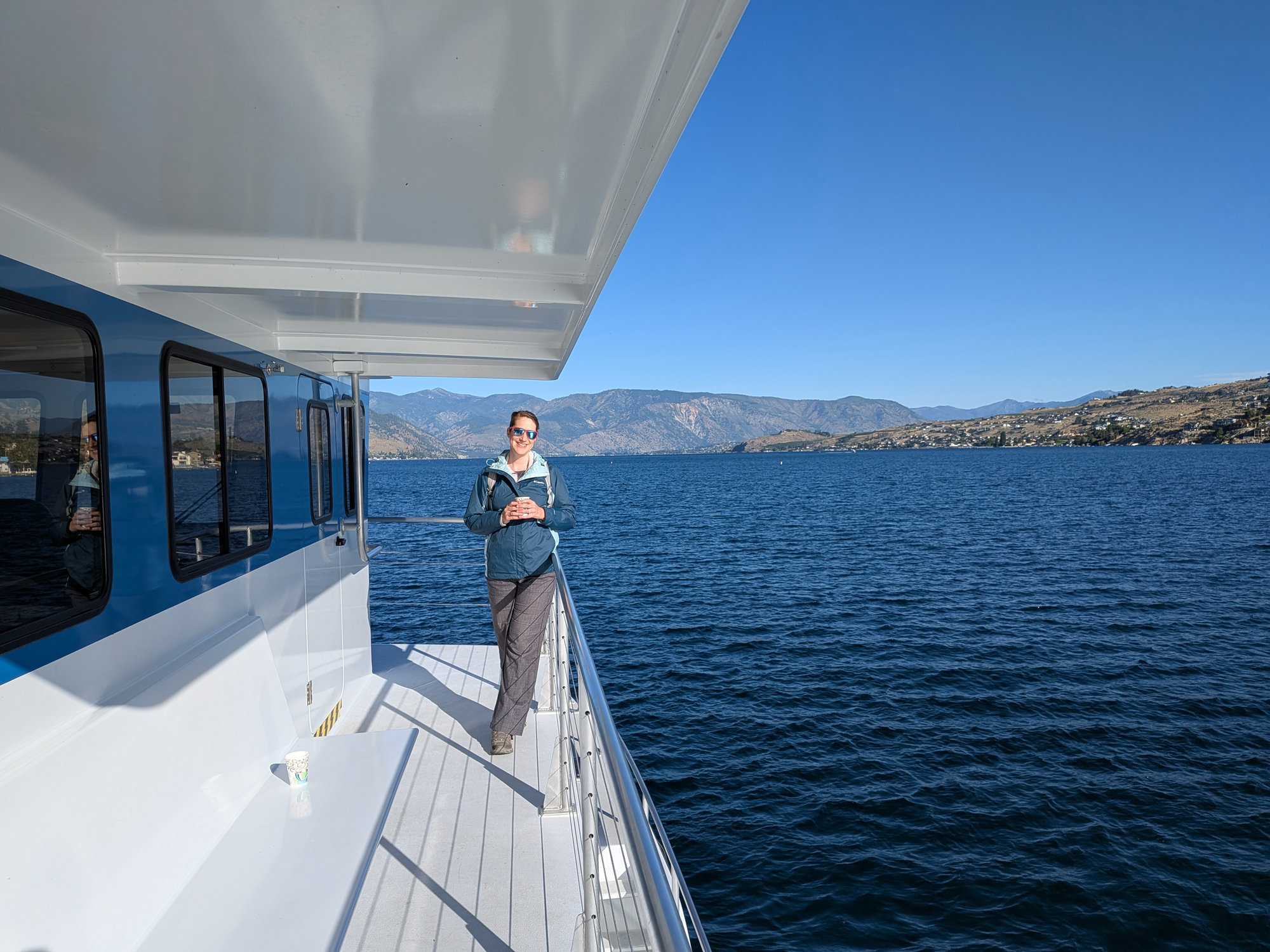
Stehekin sits deep in the North Cascades, and here's the thing about it: you cannot drive there. No highway connects it to anything, loop or otherwise. You leave your car in Chelan, walk down to the dock, and get on a ferry. For an hour and a half, you float uplake with nothing to do but slow down. There's a name for this in change work: the Neutral Zone. William Bridges coined it. It's that messy middle where the old way of doing things has ended, but the new way hasn't shown up yet. No pavement. No GPS. You're just out there. Most of us panic at the dock. We want to rush across the water, skip the discomfort, and build ourselves a makeshift highway just to feel steady again. We treat the in-between as something to escape as fast as possible. But according to Bridges, the neutral zone isn't empty space; it's actually where the real work happens. It's uncomfortable, but it's doing something.
Here's what it gives us, if we let it:
It sets the pace. You can't sprint through a real transformation. Bridges' research is clear on this: when we force an outcome before people have processed the change internally, we get friction and resistance instead of buy-in.
It opens room for new ideas. Without a pre-paved road, teams have to find new ways to work together. That's exactly why the neutral zone tends to be so creative: the old rules aren't boxing you in anymore.
It lets you actually think. It's the pause where you get to ask what you actually want to build next, instead of just carrying old momentum forward on autopilot.
Here's why we resist this so much: when there's no pre-set structure, our brains have to evaluate and choose constantly, and that's exhausting. Social psychologist Roy Baumeister's research on ego depletion backs this up: our capacity for self-control and intentional choice is a limited resource. So when we try to power through a roadless season by micromanaging every decision, we burn out fast and default right back to old habits.
If you're leading a team through a shift right now, or you're in a roadless season of your own life, know this: the lack of a highway doesn't mean you're lost. It means you've made it to the neutral zone. Get on the ferry. Trust the ride.
|