Peru, Empowerment, and Regeneration |
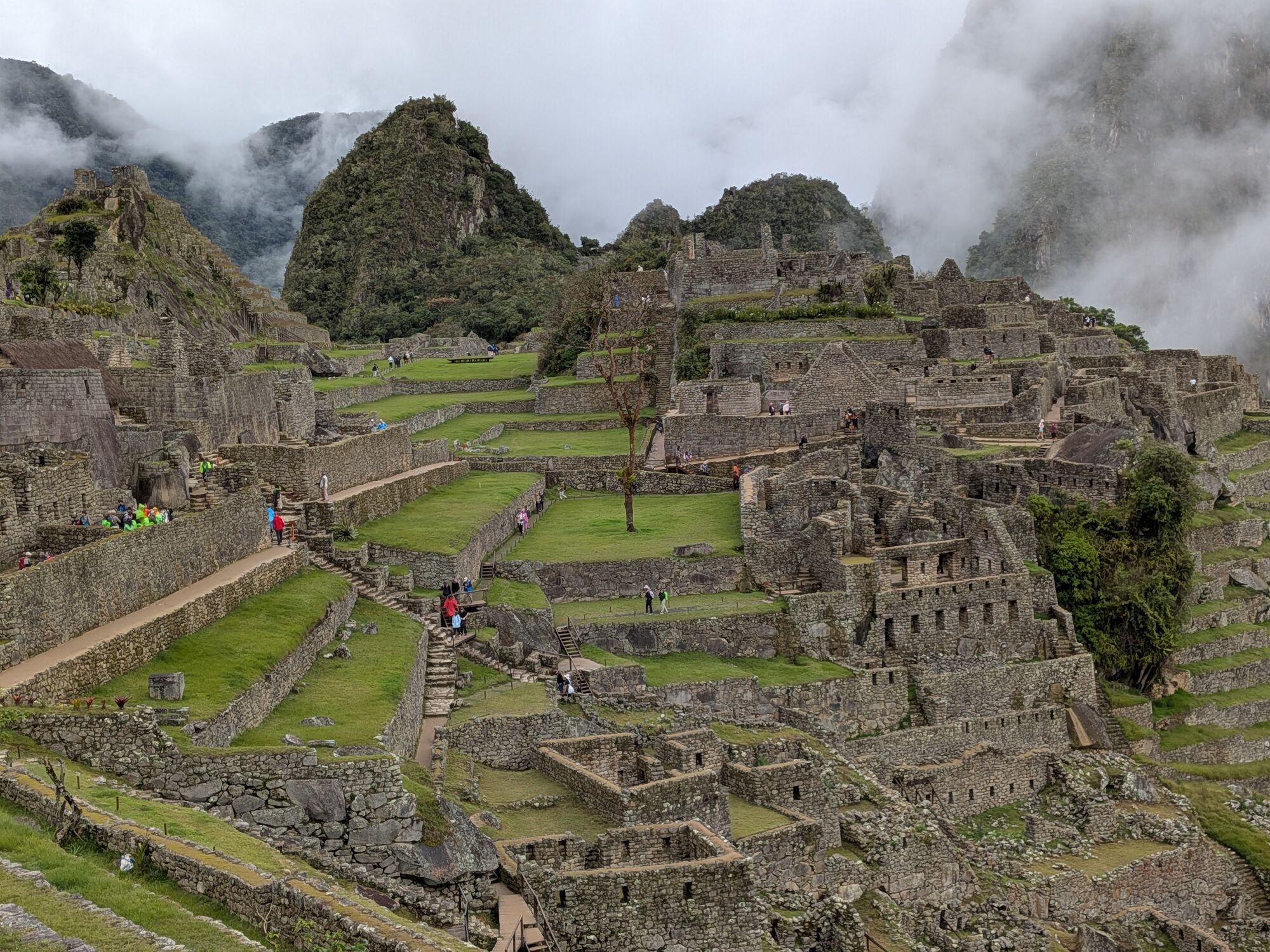
A view of Machu Picchu, built around 500 years ago, this network of terraces, palaces, plazas, temples, and homes becomes even more astonishing when you realize the Inca built it without iron, steel, or wheels. |
Dear Empowered Reader,
Over the past two newsletters, we have walked through the first two empowerments of Empower Possible together. I have shared the Empowerments through the lens of my travels throughout Peru, with our National Geographic Journeys tour group.
The first newsletter focused on the first Empowerment of Empower Possible, Engage Your True Self. I sent the invitation to honor our inner world with curiosity and compassion, while the second newsletter focused on the second Empowerment of Empower Possible, Catalyze Your Social Networks. The newsletter highlighted the power of community and mutual care.
The natural next step and the focus of this newsletter is the third Empowerment, Systems Awareness, where we explore the systems we live and work within.
In Peru, systems became especially clear during our time at Machu Picchu, which we reached after an early train ride from Ollantaytambo and an 8-mile hike along the Inca trail, through sacred ruins, and up the mountain to the “Lost City of the Incas.” |
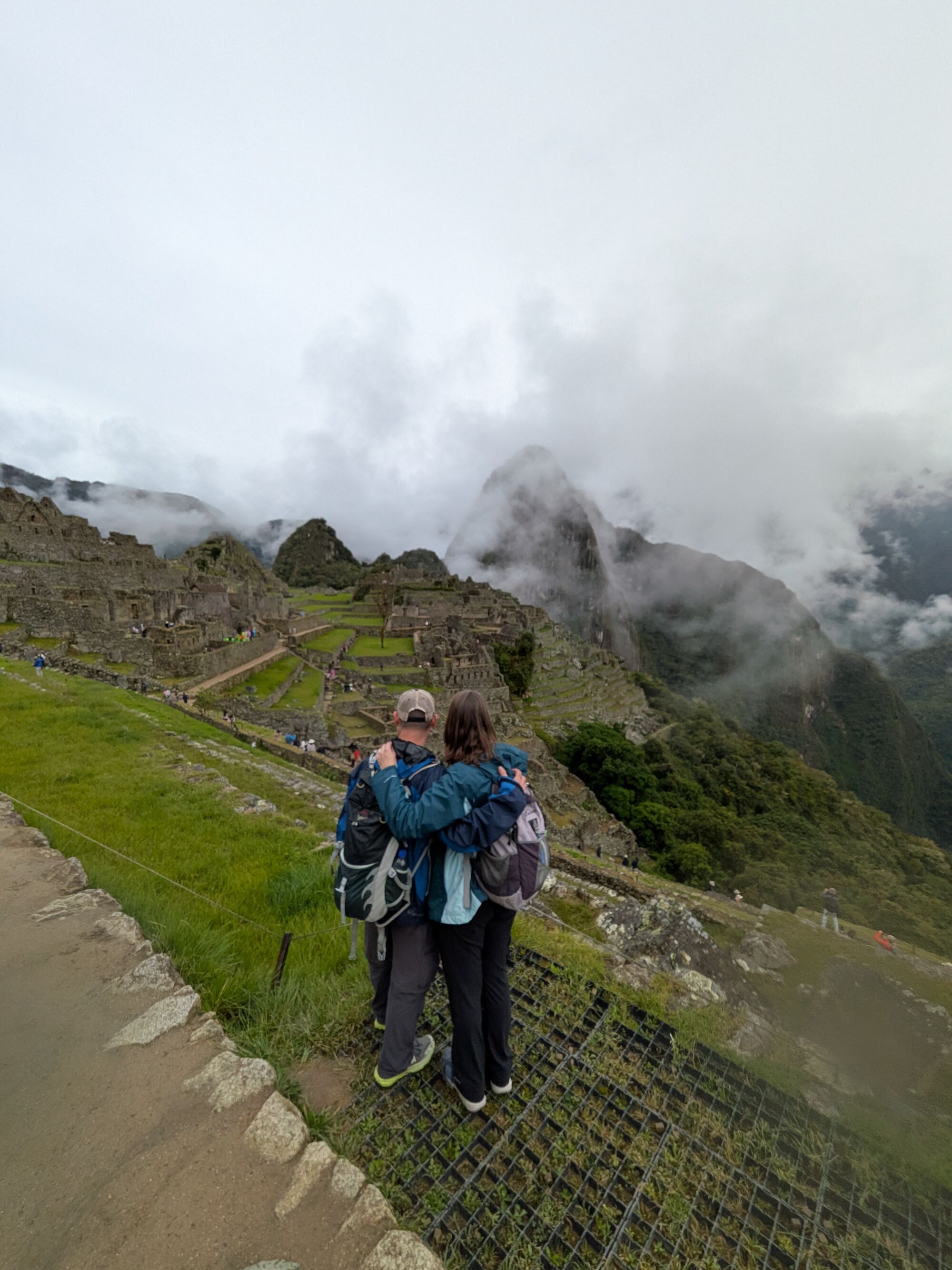
My husband and I are enjoying the view of Machu Picchu. |
Standing among the terraces, stone dwellings, and temples of Machu Picchu, one of the most striking impressions was how seamlessly the site is integrated into the surrounding landscape.
The terraces follow the curve of the mountain, the water channels work with gravity, and structures are placed in relation to both the terrain and the sky. The Incas designed with an understanding that they were part of a living system, not separate from nature, but in relationship with it.
This kind of systems awareness is something many in these modern times struggle to understand: building processes that honor natural rhythms instead of pushing against them.
As our Peruvian tour group moved through the site with a local guide, learning how architecture, agriculture, and astronomy all fit together, I found myself thinking about the systems closer to home. In our families, workplaces, and communities, do our policies and routines support well-being, inclusion, and sustainability? Or do they unintentionally create burnout, disconnection, and short-term thinking?
|
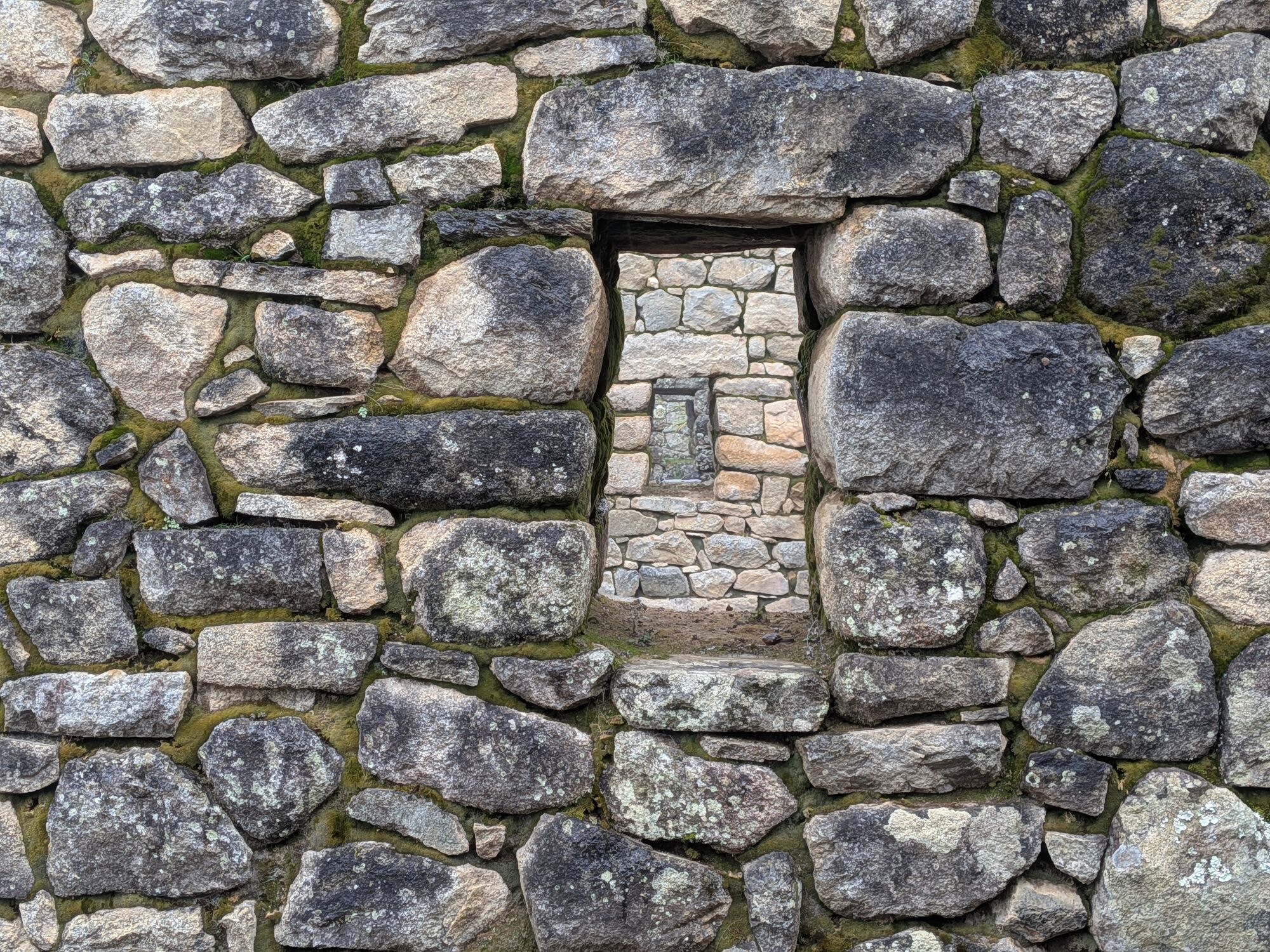
Touring Machu Picchu, it’s impossible not to feel awe. As I looked through the windows of the ancient homes, I was struck by how precisely they aligned. I can hardly hang a picture straight, let alone imagine building an entire city of perfectly balanced homes in the mountains |
Systems awareness asks us to notice patterns, not just individual moments, and to ask brave questions about what we reward, what we ignore, and what we are willing to change.
With that in mind, here are a few questions for you to consider: Where in your life or work do you sense that “the way we do things” no longer supports the people involved?
How might you map the relationships among people, policies, and habits to better understand the patterns at play?
What is one small shift you could advocate for that would make your environment more aligned with your values?
A tool I’ve used is a systems-mapping exercise. The idea is to visually map out all the moving parts of your organization (or relationships), roles, routines, communication channels, and even the unspoken norms that drive everyday behavior, and then draw arrows showing how they influence one another. This creates a living snapshot of how work actually happens, rather than how it’s supposed to happen on paper.
For example, during a digital transformation project I led, our team used this approach to understand why adoption of a new collaboration platform was lagging. When we mapped the system, we noticed that communication around the project flowed primarily top‑down through formal meetings, while the actual influencers, the mid‑level managers and subject matter experts, shared updates informally through chat channels. This imbalance created a hidden gap: the people doing the day‑to‑day change work weren’t getting consistent messages or feedback loops.
Once we visualized this, it became clear we needed to embed those informal influencers into the official project communication plan and create routines for cross‑level feedback. Adoption rates improved once the “invisible” dynamics were accounted for in our system design. |
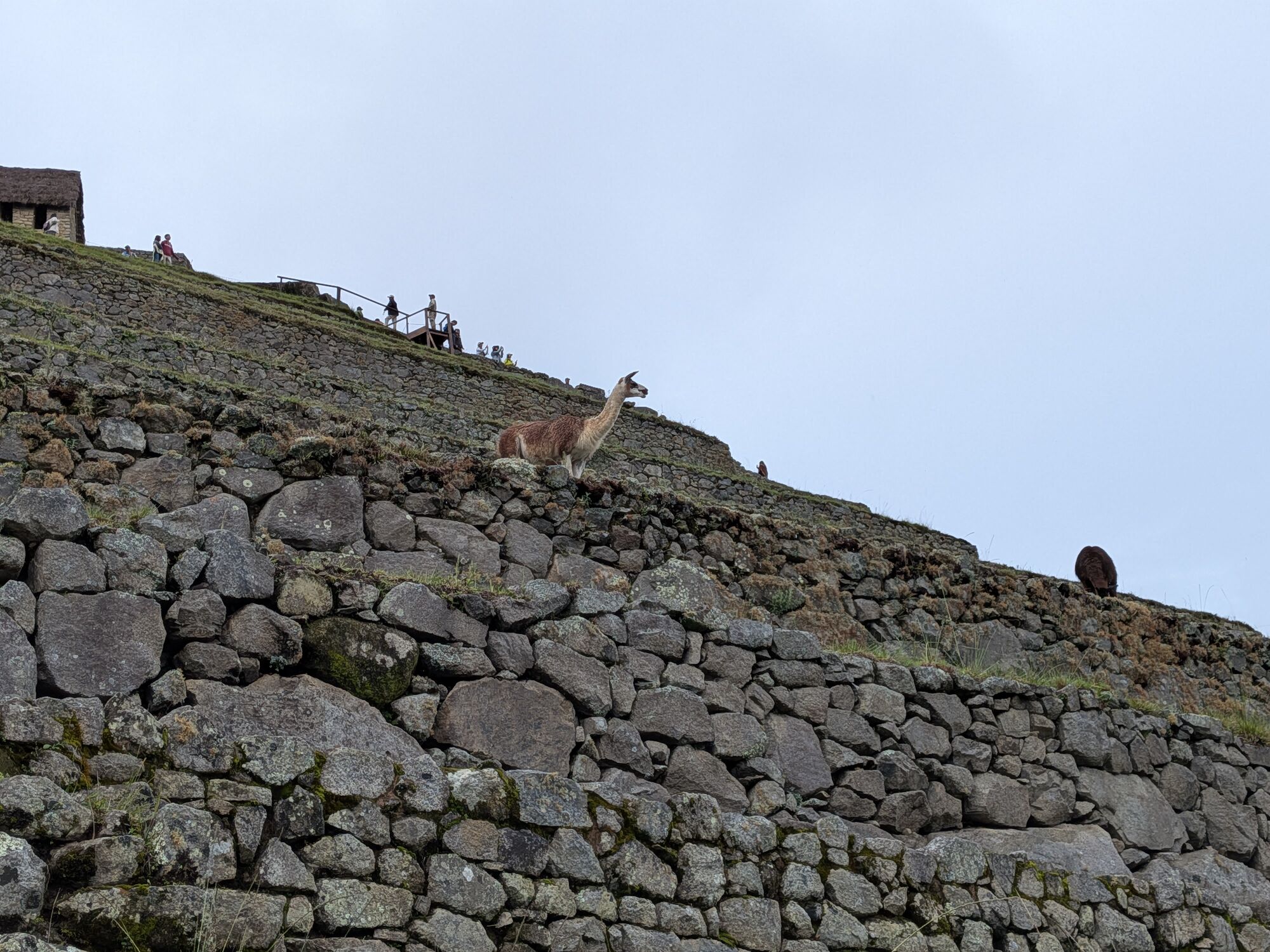
Just as we were taking in the sights of Machu Picchu, a llama wandered up the terraces! It was as if the llama was there to remind us that life still moves through this ancient place. |
An affirmation to anchor this work: “I am part of systems that can evolve toward balance and wholeness.”
While drafting this newsletter. Mary Oliver’s Wild Geese, came to mind. The poem calls us back into our belonging with “the family of things.”. When we combine inner work, nurturing relationships, and thoughtful attention to the systems around us, we create conditions where change is not just possible, it is sustainable.
As you move into your next season (the first day of Spring is on March 20), may you feel empowered at all three levels: within yourself, in your networks, and in the systems you experience each day.
Take Care, Dear Reader,
Julie Founder, Empower Possible
|
Wild Geese by Mary Oliver |
You do not have to be good. You do not have to walk on your knees for a hundred miles through the desert repenting. You only have to let the soft animal of your body love what it loves. Tell me about despair, yours, and I will tell you mine. Meanwhile, the world goes on..... Read the rest at https://www.poetry.com/poem/123017/wild-geese
|
|
|
|


No comments:
Post a Comment