Dear Empowered Reader,
After taking a quick break for the Holiday gift guide, we have been reviewing the Three Empowerments: Empowerment from within and Social Empowerment. We have reviewed two of the three empowerments, the core elements of Empower Possible. We started with self-empowerment, getting to know ourselves, building resilience, and embracing the courage to lead authentically. That foundation sets the tone for everything else.
Then, we expanded outward into social empowerment, the power of connection. We explored how real growth happens when we come together, share openly, and build trusting relationships that lift us all higher.
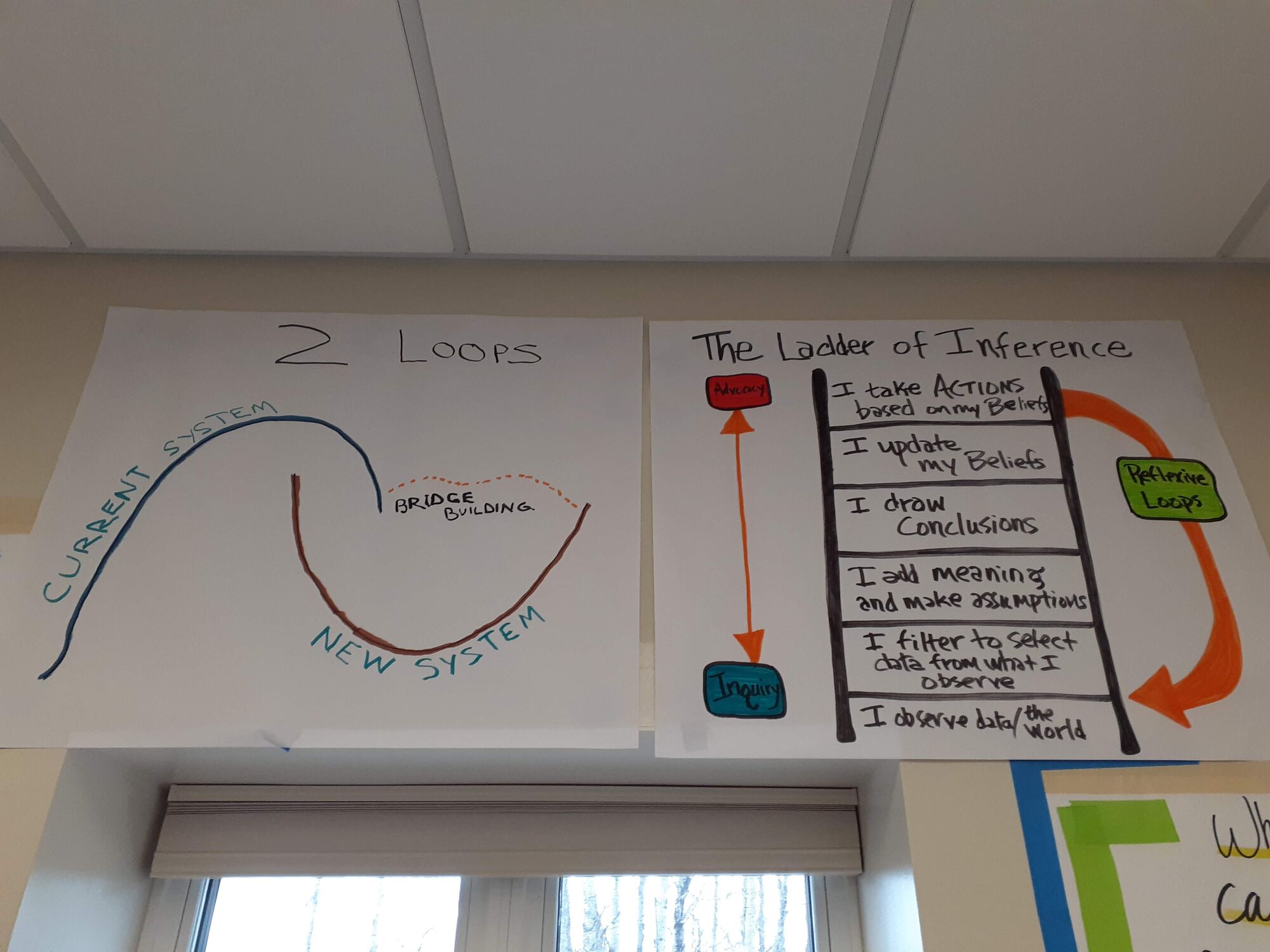
And today, here we are at the third empowerment: systems, the larger environment where our individual and collective efforts take root and grow. When I think about systems empowerment, I often reflect on how the structures, policies, and workflows surrounding us can either support our growth or hold us back.
In my work with organizations, I’ve seen brilliant, passionate teams struggle, not because of a lack of will or talent, but because the systems in place weren’t designed to sustain their energy or help them thrive over time.
For example, one nonprofit I supported was full of dedicated people who cared deeply about their mission to serve students in crisis. Yet inside the organization, the day-to-day realities told a different story. Staff were stretched thin, workflows were tangled across departments, and communication often bounced between too many approval layers. Policies, though well-intended, felt rigid and disconnected from the pace of real service delivery.
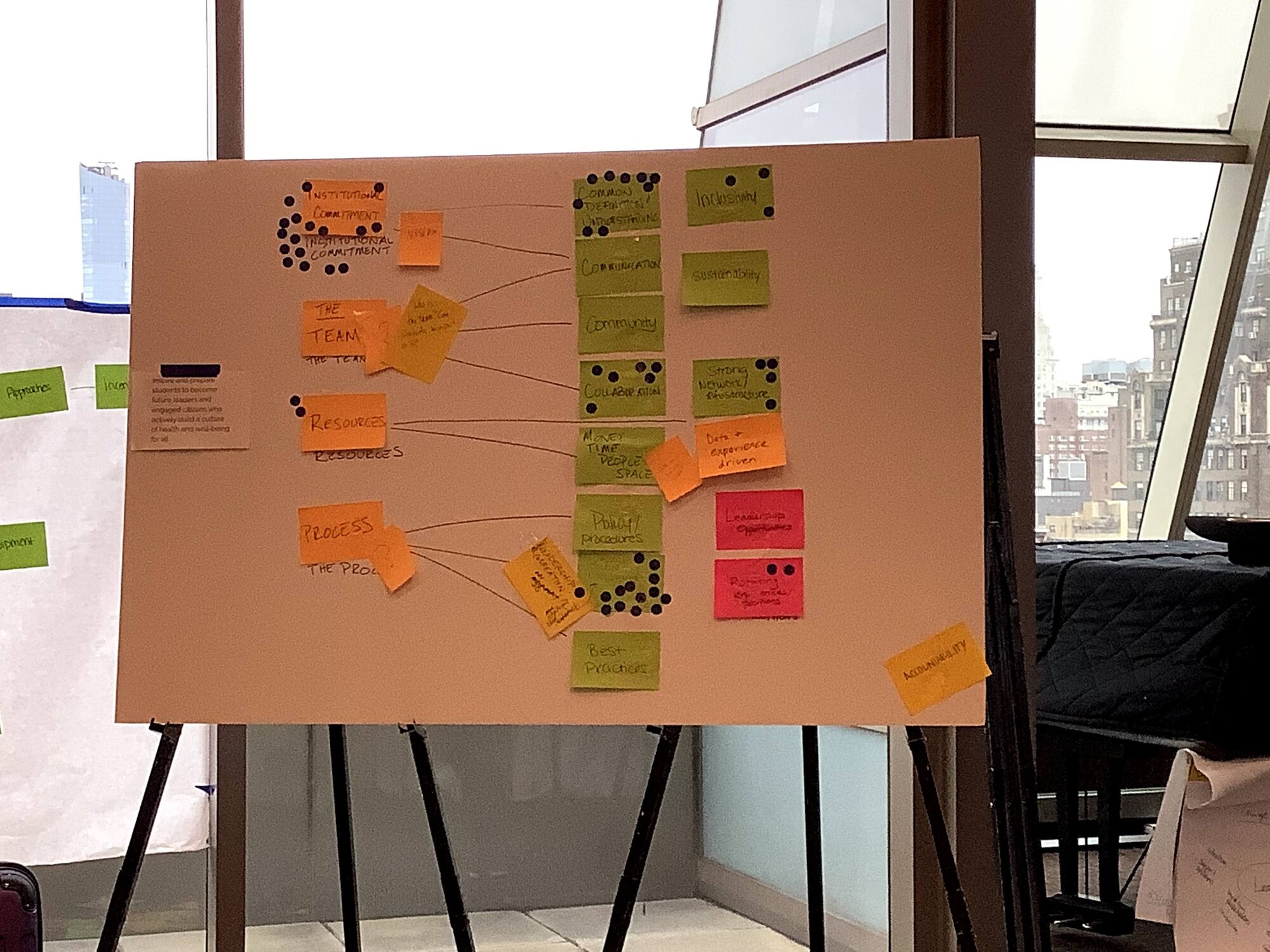
Over time, these gaps created repeated bottlenecks and a quiet fatigue that showed up as turnover, missed opportunities, and burnout. We began by listening, holding reflective sessions to map where energy was draining and where people felt most empowered in their work. Through this discovery phase, we surfaced key pain points: duplicate reporting processes, unclear decision-making authority, and outdated approval structures that slowed innovation.
Together, we co-designed new systems aligned with both the organization’s purpose and people’s lived experiences. We established transparent communication pathways, simple, visual dashboards for ongoing project updates instead of endless email threads. We restructured meetings around decision categories rather than status reports, freeing time for collaboration and creativity. Policies were rewritten to allow flexibility and trust: piloting ideas before formal policy approval and embedding well-being check-ins into team routines.
These weren’t quick fixes; they were foundational shifts that rebuilt the organization’s capacity for resilience and growth. Within months, staff engagement scores improved, program output became more consistent, and teams began proactively proposing innovations that once felt out of reach.
Empowering systems means creating conditions where the organization's infrastructure, processes, communication, and culture actively support both its purpose and people. It’s about ensuring the “how” truly sustains the “why,” turning everyday work into a living expression of mission.
Reflection Questions to Consider:
What systems or structures in your work or life either support or hold back your growth?
How might small changes in communication or workflows improve your team’s resilience and success?
In what ways can you advocate for or contribute to systemic change that aligns with your values?
Positive Affirmation:
"I am part of something greater; together, we create positive, lasting change."Thank you for joining me through the three empowerments.
Remember, real transformation begins within, grows in community, and thrives when our systems are aligned for good. I’m grateful to share this journey with you, and I’m excited for all the possibilities ahead.
Take care, Dear reader,
Julie
Founder, Empower Possible | 




No comments:
Post a Comment